Guide to KL Central Market
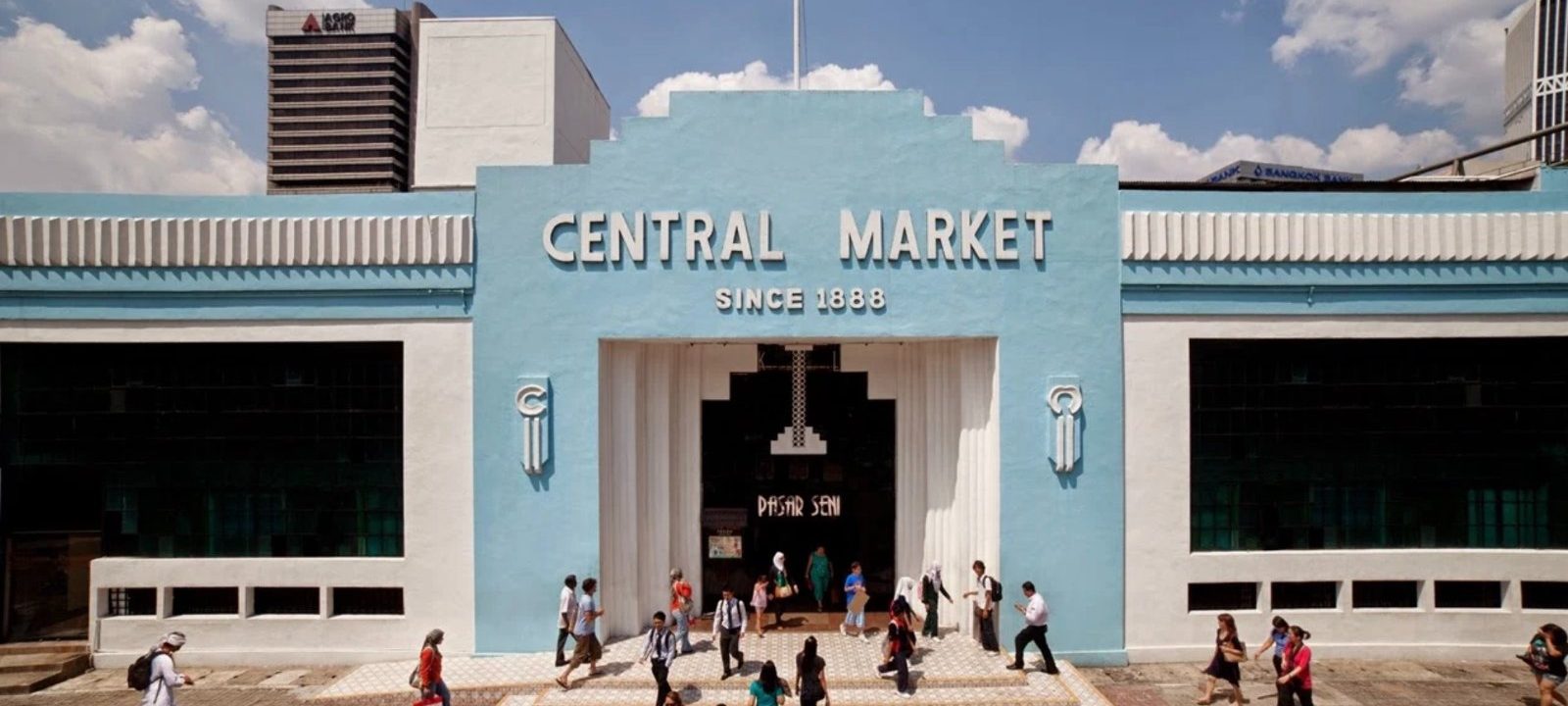
Central Market (known locally as Pasar Seni) is the ultimate celebration of Malaysian culture, craft, and heritage wrapped in a gorgeous 1937 Art Deco building.
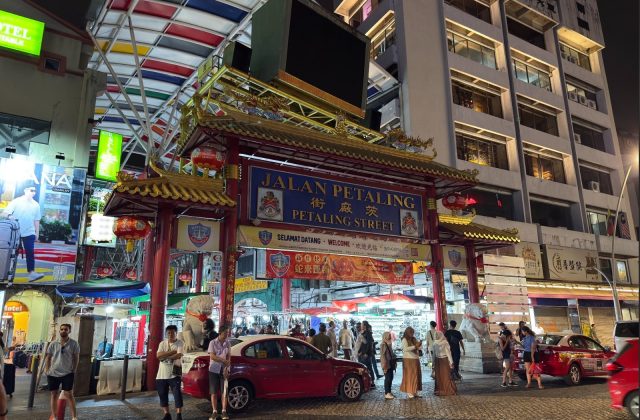
Unlike Petaling Street right next door—which is a chaotic, open-air maze of bargaining and knock-off goods—Central Market is fully air-conditioned, organized, and dedicated strictly to authentic local arts, traditional textiles, and regional crafts.
Here is your comprehensive blueprint for exploring Central Market.
1. The Layout: Shopping by Cultural Zones
Inside the main building, the ground floor is cleverly laid out into three distinct, interconnected shopping lanes. Each lane reflects the architectural styles and traditional crafts of Malaysia’s core cultural communities.
-
Lorong Melayu (Malay Lane): This section features traditional wooden structures mimicking a classic Malay village house. It is the best place to source intricate Batik shirts and dresses, hand-woven Songket fabrics, traditional Kebaya attire, and handcrafted wooden items.
-
Straits Chinese Lane: Designed with classic Peranakan/Baba Nyonya style shophouse facades. Wander down this row for beautiful porcelain ware, cheongsams, traditional Chinese tea sets, and custom wax stamps/seals.
-
Lorong India (India Lane): Bright, vibrant, and incredibly fragrant. This zone is packed with rich silk sarees, intricate pashminas, authentic handmade jewelry, and stalls offering temporary Henna painting.
2. Creative Experiences & Hidden Galleries
Central Market is much more than a gift shop—it’s a living creative ecosystem where you can get your hands dirty or find independent art.
-
DIY Batik Painting: Located on the ground floor, several workshops let you sit down, grab a brush, and paint your own pre-waxed canvas piece of Malaysian Batik. It takes about 30–45 minutes, costs very little, and serves as an incredibly personal, unique souvenir to bring home.
-
Art House Gallery & Annexe: Head towards the back building (The Annexe). This space acts as a sanctuary for local independent painters, sculptors, and digital creators. You’ll find everything from traditional tribal Bornean art to cutting-edge contemporary Malaysian street art pieces available for purchase directly from the artists.
-
Illusion 3D Art Museum: If you are traveling with family or just want a lighthearted break, this museum on the upper levels features large-scale, interactive 3D paintings that double as brilliant photo backdrops.
3. Where to Eat: From Street Snacks to Food Courts
When shopping fatigue sets in, Central Market has a great mix of casual bites and local comfort food.
-
Central Market Food Court (Second Floor): Located on the upper level, this is a clean, budget-friendly culinary hub. It houses an array of classic daily Malaysian meals—think specialized Chicken Rice, claypot dishes, and sizzling noodles. A highlight is the Indian Chicken Curry Set, which comes in generous portions complete with local vegetable sides, rich gravy, and crispy papadom crackers.
-
Kasturi Walk: This is the covered, pedestrian-only outdoor street running directly parallel to the main Central Market building. It features a giant, striking steel Wau Bulan (traditional Malay kite) structure at the entrance. Walk down this lane for quick grab-and-go street snacks like fresh cut tropical fruits, cold sugarcane juice, putu bambu (steamed rice flour cake in bamboo), and local pastries.
-
Artisanal Cafes: The perimeter of the market is peppered with excellent coffee stops, ranging from modern, rapid grab-and-go Matcha bars to aesthetic spots like Secawan, perfect for a quality iced latte after walking around.
Essential Visitor Tips
-
Fixed Pricing (Mostly): Unlike Petaling Street where you must bargain hard to avoid overpaying, Central Market prices are generally fixed and clearly marked. The pricing is fair for the quality, making for a much more relaxed, hassle-free shopping experience.
-
Payment Methods: Most established shops and food court vendors readily accept credit cards and DuitNow QR e-wallets. However, if you are planning to grab small snacks on Kasturi Walk or buy cheap keychains, keeping small RM10 and RM5 cash notes handy is highly recommended.
-
How to Get There: Parking in this historic district is highly restricted and congested. Avoid the headache entirely by taking the Kelana Jaya LRT line or the MRT Sungai Buloh-Kajang line straight to the Pasar Seni Station. Central Market is less than a 3-minute walk from the main exit.